
 Back Home
What buyers should check before buying land with a septic system in Brazos County, TX
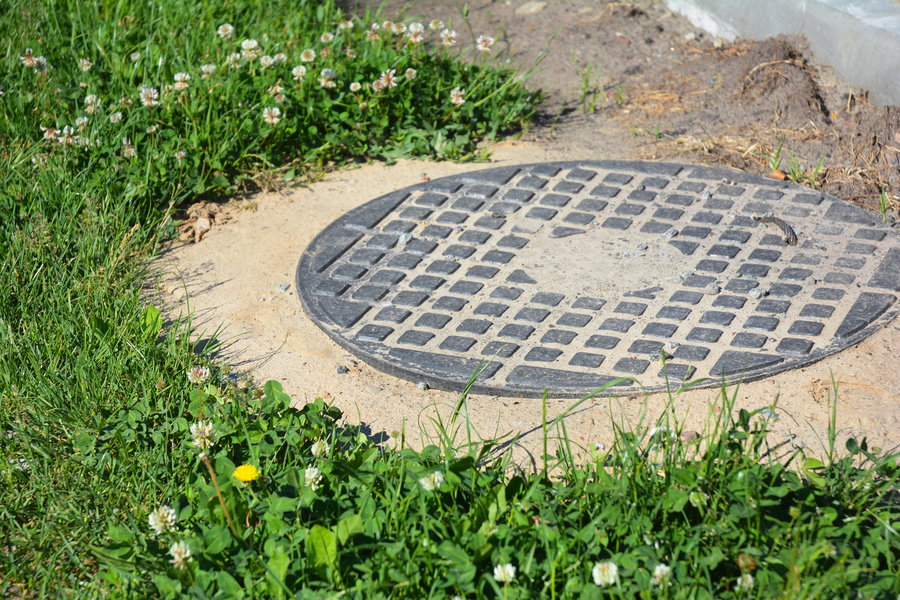
A septic system can influence future building plans, ownership costs, and property value.
Verify permits and compliance records
Ensure the septic system is properly permitted and installed. In Texas, On-Site Sewage Facilities (OSSFs) require permits before they are built, repaired, or modified. In Brazos County, the local authority responsible for these permits and inspections is the Brazos County Health District. Make sure to ask the seller for copies of permits, site evaluations, design plans, and maintenance records. That said, missing documents don’t automatically mean you should abandon the transaction, but it might require extra due diligence.Find out the type, age, and condition of the system
Not all septic systems are the same. Conventional systems typically use a septic tank and drainfield, while aerobic treatment units use oxygen as part of the treatment process and often require more regular maintenance. If the land already has a septic system, ask the seller questions such as:- When was the system installed?
- What type of septic system is on the property?
- Was it permitted by the local health or environmental department?
- Are permit records, design plans, or as-built drawings available?
- When was it last inspected, serviced, or pumped?
- Has it had major repairs or upgrades?
- What home size or bedroom count was the system approved to serve?
- Has the drainfield had any known issues?
Schedule a septic system inspection
A standard property inspection may not fully evaluate the septic system, especially components outside the home. Buyers should consider a separate septic inspection before closing. A typical septic system inspection in Texas may review:- The condition of the septic tank
- Pump, alarm, and electrical components, if applicable
- Drainfield performance
- Signs of leaks, backups, odors, or surfacing wastewater
- Overall system operation
- Whether the system appears properly sized for the intended use
Check the drainage and soil conditions
Septic systems depend heavily on the land around them. Before buying, pay attention to site conditions that can affect performance, including:- Soil type and absorption capacity
- Drainage patterns across the property
- Groundwater levels
- Low spots where water tends to collect
- The location and condition of the drainfield
- Setbacks from wells, creeks, ponds, property lines, and planned building sites
Ensure your future plans align with the septic system on site
Before buying land with an existing septic system, make sure the system fits what you actually plan to build. A system approved for a small home may not support a larger residence, guest house, barndominium, workshop with plumbing, or multi-generational setup without upgrades. Ask the local permitting authority or a licensed septic professional to confirm:- What structure or bedroom count the system was originally approved for
- Whether the tank and drainfield are sized for the buyer’s intended use
- Whether adding bathrooms, guest quarters, or another structure would require a new permit
- Whether there is enough usable land for expansion or a replacement drainfield
- Whether soil, slope, wells, property lines, or water features limit where future septic components can go