
 Back Home
7 Tips when buying land for sale in Brazos County, TX
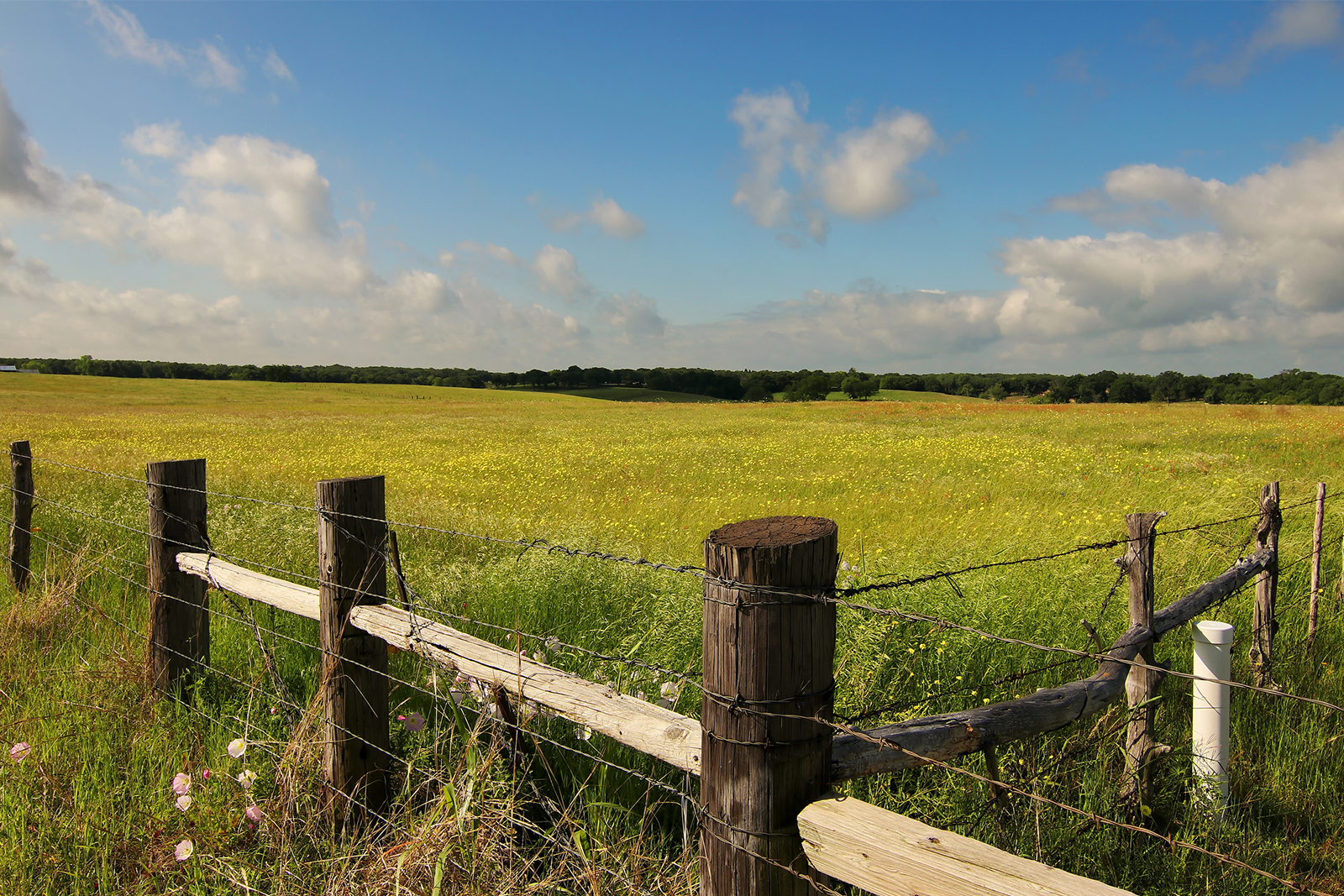
Buying land in Brazos County takes more than comparing price per acre. Access points, boundaries, and intended use all need to factor into your decision.
In Brazos County, a piece of land can look straightforward on a listing. But it can turn out to be far more complicated once access points, septic, drainage, floodplain issues, and tax status are part of the picture.
What’s more, two properties with similar size and price can differ sharply in buildability, access, drainage, utility availability, and long-term carrying costs.
Here are seven things to consider as you explore land for sale in Brazos County, TX.
1. Start with your intended use
A buyer looking for cattle ground will be weighing different priorities than someone planning to build, farm, hold the property for recreation, or buy with future resale in mind. Intended use affects nearly every part of the search, from access and utilities to drainage, improvements, financing, and long-term costs. The clearer that goal is from the start, the easier it becomes to rule out land that does not fit.
2. See the the land with your own eyes
Photos, aerial imagery, and acreage totals can only tell you so much. Buyers should walk the property and, if possible, visit more than once.
A second look can reveal drainage patterns, low spots, access issues, fencing problems, overgrowth, or elevation changes that are easy to miss the first time around. Looking at older aerial imagery can also help show how the land has been used over time and whether the tract matches the impression created by the listing.
3. Check whether the tract is actually buildable
A piece of land may look appealing on paper, but on closer inspection, it may not be easy to improve. Buildability often comes down to utilities, wastewater, and site conditions.
Water, power, and septic should all be checked early. In Brazos County, on-site sewage facilities are regulated through the Brazos County Health District, which handles permits, plan review, inspections, and enforcement.
Buyers should confirm where water will come from, whether electric service is nearby, and whether the soil and site can support the type of septic system they expect.
A property that seems simple at first glance can become much more expensive once those requirements come into focus.
4. Pay attention to drainage and floodplain issues
Land can look dry when you’re seeing it for the first time, but it can still have underlying drainage or floodplain concerns. Buyers should review FEMA flood maps and pay attention to how water may move across the property in heavy rain, especially around low ground, creek frontage, culverts, and access points.
In Brazos County, floodplain development can require a permit, and city properties may also face added local standards. Those issues can affect insurance, where improvements can go, and what it may take to make the land usable.
5. Confirm access points, boundaries, and restrictions
Access should be verified early, not assumed from a listing or a visible driveway. County road frontage is usually the simplest setup, but some tracts rely on easements or shared private roads, so buyers should confirm that access is legal and duly recorded.
Buyers should also review the survey, boundary lines, and any restrictions tied to the property. That can include:
- Deed restrictions
- Utility or access easements
- Setback requirements
- Subdivision limits
- Rules affecting livestock, mobile homes, or commercial use
A fence line does not always match the legal boundary, and those limits can shape what a buyer is actually able to do with the land after closing.
6. Looking beyond the purchase price
The purchase price of the land is only one part of the entire picture. Rural property can come with ongoing expenses for property taxes, insurance, utilities, fencing, road upkeep, repairs, and general maintenance. Depending on how the land will be used, buyers may also need to plan for feed, water infrastructure, equipment, or site work.
Those costs can change how affordable a tract really is over time. Looking at them early can help buyers avoid stretching the budget on a property that costs more to carry than expected.
7. Ask financing and tax questions early
Land financing usually works differently from a standard home loan. Talk with lenders early and confirm what the property’s condition and intended use may mean for loan terms.
Depending on the buyer and the tract, options may include local bank financing, seller financing, or agricultural loan programs such as those offered through the U.S. Department of Agriculture’s Farm Service Agency.
Buyers should also confirm the property’s current tax status before closing. A tract with agricultural appraisal may carry lower taxes, but that status depends on qualifying use and does not necessarily continue automatically after a sale. It is worth verifying what use supports the current valuation and whether the land is likely to keep qualifying under county standards.
Get expert guidance for buying land in Brazos County
Berkshire Hathaway HomeServices Caliber Realty offers local insight and steady guidance for buyers comparing acreage across Brazos County.
Call us at 979.694.8844 or send an email to get your free real estate consultation.