
 Back Home
What to know about flood risk and mitigation in Brazos County, TX before buying acreage
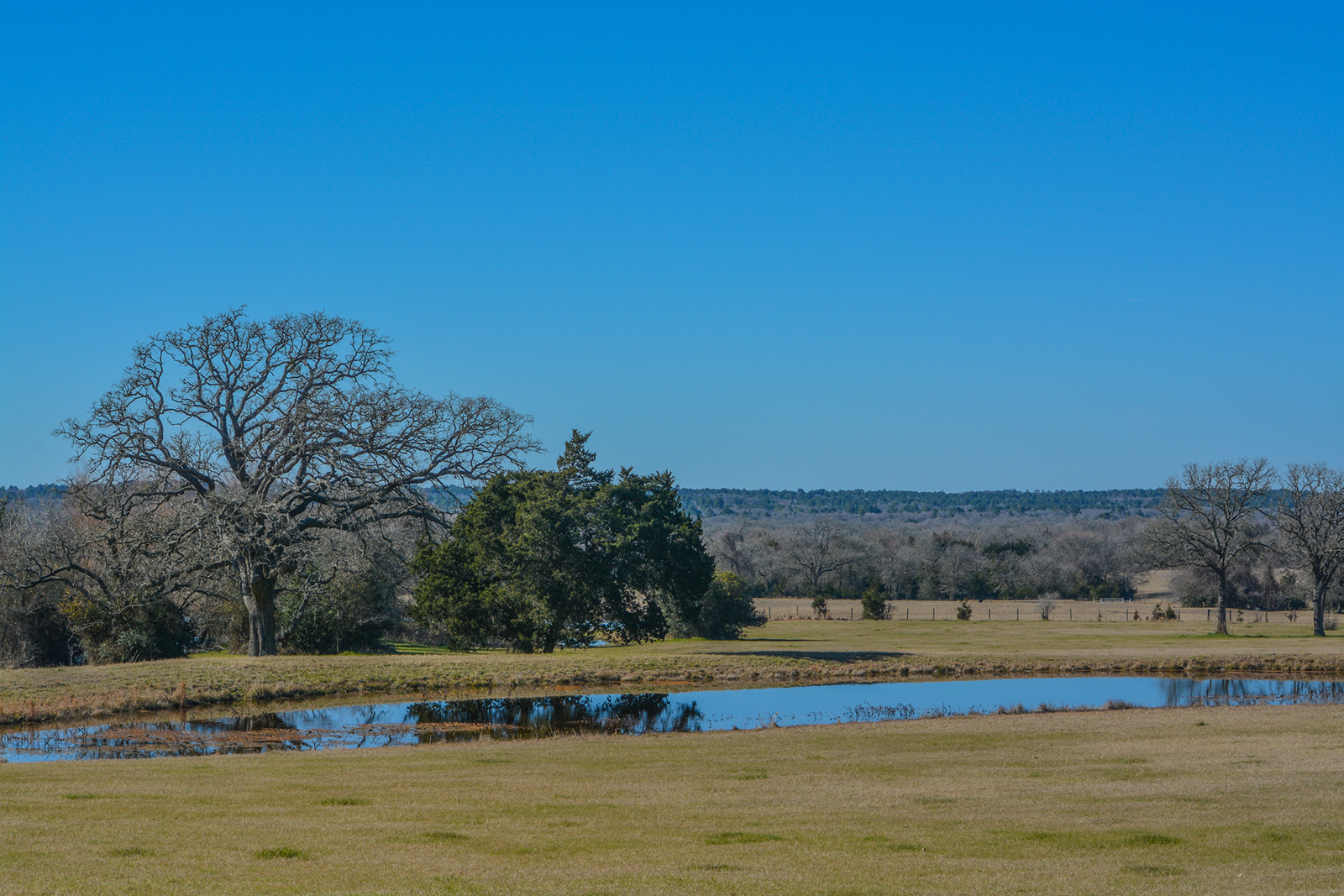
Low areas and standing water can affect flood risk, drainage, and buildability on Brazos County acreage.
A key aspect to ponder on when buying acreage in Brazos County is flood risk and mitigation. Potential for flooding can affect insurance, building plans, and long-term costs, even on land that isn’t directly next to a river.
Before buying, it helps to confirm where floodplains are mapped, what rules may apply to future improvements, and what steps may strengthen flood safety for your property over time.
Check the floodplain map early
One of the first things to verify is whether the acreage is in a FEMA-mapped floodplain. Buyers can check FEMA’s Flood Map Service Center, a resource which Brazos County encourages property owners to use for floodplain status.
In addition, make sure to understand what the different terms and labels mean. A 100-year floodplain for instance, does not mean flooding happens once every 100 years. It means the area has a 1 percent chance of flooding in any given year.
Flood risk is not limited to high-risk zones
Flood maps are an important starting point, but those shouldn’t be the only things you should look at. Areas outside those mapped high-risk zones can still flood, especially when heavy rainfall, drainage limitations, or site conditions affect how water moves across the land.
Flooding can also happen outside designated high-risk areas. A significant share of claims through the National Flood Insurance Program come from properties outside Special Flood Hazard Areas.
For acreage buyers, that means looking beyond the map and paying attention to drainage patterns, low areas, creek frontage, culverts, and nearby development that could affect runoff. Those site-level details can shape flood exposure even when a tract is not fully mapped in a high-risk zone.
Insurance can add to the cost of owning acreage
Flood insurance is worth considering early-on too. Standard homeowners insurance usually does not cover flood damage, and new flood coverage generally comes with a 30-day waiting period. In high-risk areas, buyers with federally backed mortgages may also be required to carry it.
That means buyers should price flood insurance early, especially for acreage with a home, homesite, or structures near low ground.
Permits and building rules can affect future plans
Floodplain rules matter even more when a buyer plans to build, add fill, regrade land, or make other site improvements. In unincorporated Brazos County, floodplain development requires a county permit before work begins, and missing that step can delay the project — and even lead to penalties.
In College Station, for example, floodplain work such as grading, filling, and new construction requires a development permit. Structures in Special Flood Hazard Areas may also need elevation certificates, and finished floors must be at least 12 inches above the Base Flood Elevation. Adding fill does not automatically remove land from the floodplain, so a tract that looks simple to improve may involve added permitting, engineering, time, and cost.
Local drainage still matters on acreage
Local creeks and drainage patterns can affect flood risk across Brazos County.
Around College Station for instance, there are several creeks and waterways that need to be taken into account. Carters Creek, Wolf Pen Creek, Bee Creek, White Creek, Lick Creek, and Spring Creek are part of the city’s floodplain system.
This is especially relevant for acreage buyers planning driveways, barns, ponds, fencing, or future building pads. Even small drainage changes can create bigger problems later if they are not evaluated carefully.
Mitigation starts with smart buying decisions
Good flood safety for your property begins well before purchase. Common protection measures include elevating structures, floodproofing, using small walls or levees where appropriate, planning evacuation access, and buying flood insurance.
According to The Brazos River Authority, communities with stronger floodplain management practices, open-space preservation, drainage maintenance, hazard mitigation planning, and better mapping can improve resilience and may help lower insurance costs through rating programs.
Before making an offer on a property you should ask:
- Is any part of the acreage in a FEMA floodplain?
- Are there existing drainage issues or ponding areas?
- Will future grading or building require floodplain permits?
- What would flood insurance cost now?
- Would the planned homesite, barn, or shop need elevation or added engineering?
Be informed when buying acreage in Brazos County
Flood risk can shape far more than insurance costs. It can affect where you build, what improvements are feasible, and how much time and money a property may require after closing. For acreage buyers in Brazos County, careful due diligence is the best way to avoid expensive surprises and move forward with more confidence.
Berkshire Hathaway HomeServices Caliber Realty helps buyers evaluate acreage with a clearer understanding of floodplain concerns, site conditions, and long-term usability across Brazos County.
Call 979.694.8844 or send an email to get a free real estate consultation.