
 Back Home
Security deposits explained: best practices for landlords
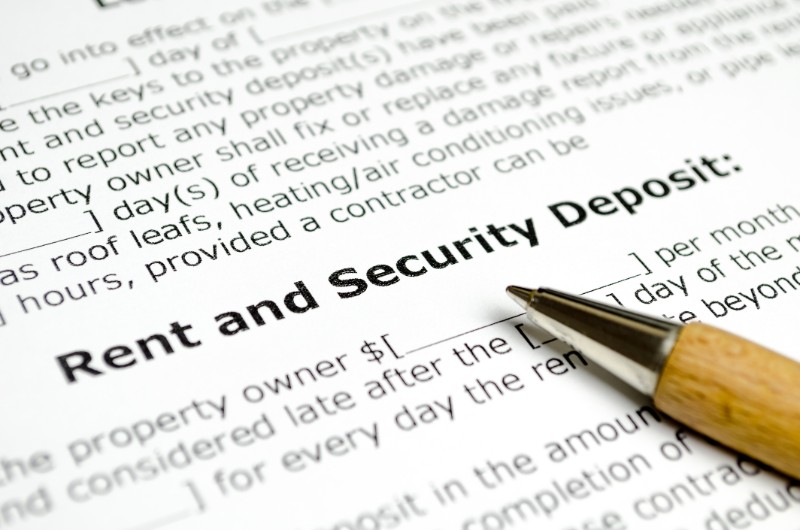
Smart security deposit best practices protect your property and keep tenants happy.
Security deposits are one of the most important tools you have as a landlord. When a tenant fails to perform their lease obligations or causes damage, these insurance policies provide financial protection for the landlord.
However, deposits can also lead to misunderstandings if not handled carefully. To ensure fairness, it is important for all parties to understand the rules, document everything clearly, and adhere to industry standards. With the right approach, you’ll protect your investment while building trust with your tenants.
WHY SECURITY DEPOSITS ARE CRUCIAL
A security deposit isn’t just a formality—it’s a safeguard. Despite tenants’ best efforts, accidents do happen. The deposit covers:
- Unpaid rent at move-out
- Damage beyond normal wear and tear
- Excessive cleaning costs if the unit is left in poor condition
By handling deposits properly, you can prevent disputes and protect the long-term value of your property.
BEST PRACTICES FOR SECURITY DEPOSITS
- Set the right deposit amount
One of the most essential security deposit tips is determining the right amount. While many landlords choose an amount equal to one month’s rent, this can vary widely. In Texas, the Property Code does not set a cap on security deposits, so the decision is ultimately at the landlord’s or property manager’s discretion.
That said, it’s wise to research current market trends and set an amount that feels fair and acceptable to most tenants—striking the balance between protecting your investment and remaining competitive.
It’s also smart to consider the features of your rental. A brand-new or luxury unit may justify a higher deposit, while a small, budget-friendly apartment may not. Keep the figure reasonable. Setting it too high could deter quality tenants.
- Document everything
This is one of the most overlooked best practices for security deposits. Start with a detailed move-in checklist. Walk through the property with your tenant, noting the condition of the walls, floors, appliances, and fixtures. Take photos or videos of everything for better record-keeping. This simple step helps avoid disputes when it’s time to return the deposit. If damage occurs, you’ll have a clear record to support your deductions. If the property is in good condition, tenants will appreciate the transparency.
- Hold and return deposits
Separating deposit funds from your operating account is more than just smart bookkeeping—it’s a best practice for transparency and accountability. By keeping tenant deposits in a dedicated account, you avoid commingling funds, simplify your recordkeeping, and reduce the risk of errors during reconciliation. This separation also makes it easier to track deposits, document deductions, and ensure timely returns.
When a tenant moves out, act quickly. Most states give landlords 14 to 30 days to return deposits or provide an itemized list of deductions. Missing these deadlines could result in penalties. A timely, professional approach reduces tension and enhances your reputation as a fair landlord.
- Hold and return deposits
Separating deposit funds from your operating account is more than just smart bookkeeping—it’s a best practice for transparency and accountability. By keeping tenant deposits in a dedicated account, you avoid commingling funds, simplify your recordkeeping, and reduce the risk of errors during reconciliation. This separation also makes it easier to track deposits, document deductions, and ensure timely returns
When a tenant moves out, act quickly. Most states give landlords 14 to 30 days to return deposits or provide an itemized list of deductions. Missing these deadlines could result in penalties. A timely, professional approach reduces tension and enhances your reputation as a fair landlord.
COMMON MISTAKES TO AVOID
Even experienced landlords can slip up. Here are a few pitfalls to watch out for:
- Using the deposit for upgrades: You can’t charge tenants for improvements like replacing the carpet just because it’s outdated.
- Withholding without explanation: Always provide a clear, itemized statement when deducting funds.
- Overlooking “wear and tear”: Small nail holes, faded paint, or worn carpet edges are part of normal use and can’t be deducted.
- Not updating policies: Laws change, and what worked five years ago may no longer comply with current regulations.
Maintain a positive landlord-tenant relationship by avoiding these mistakes.