
 Back Home
8 Things to know about agri exemptions in Texas (For farms and ranches in Brazos Valley)
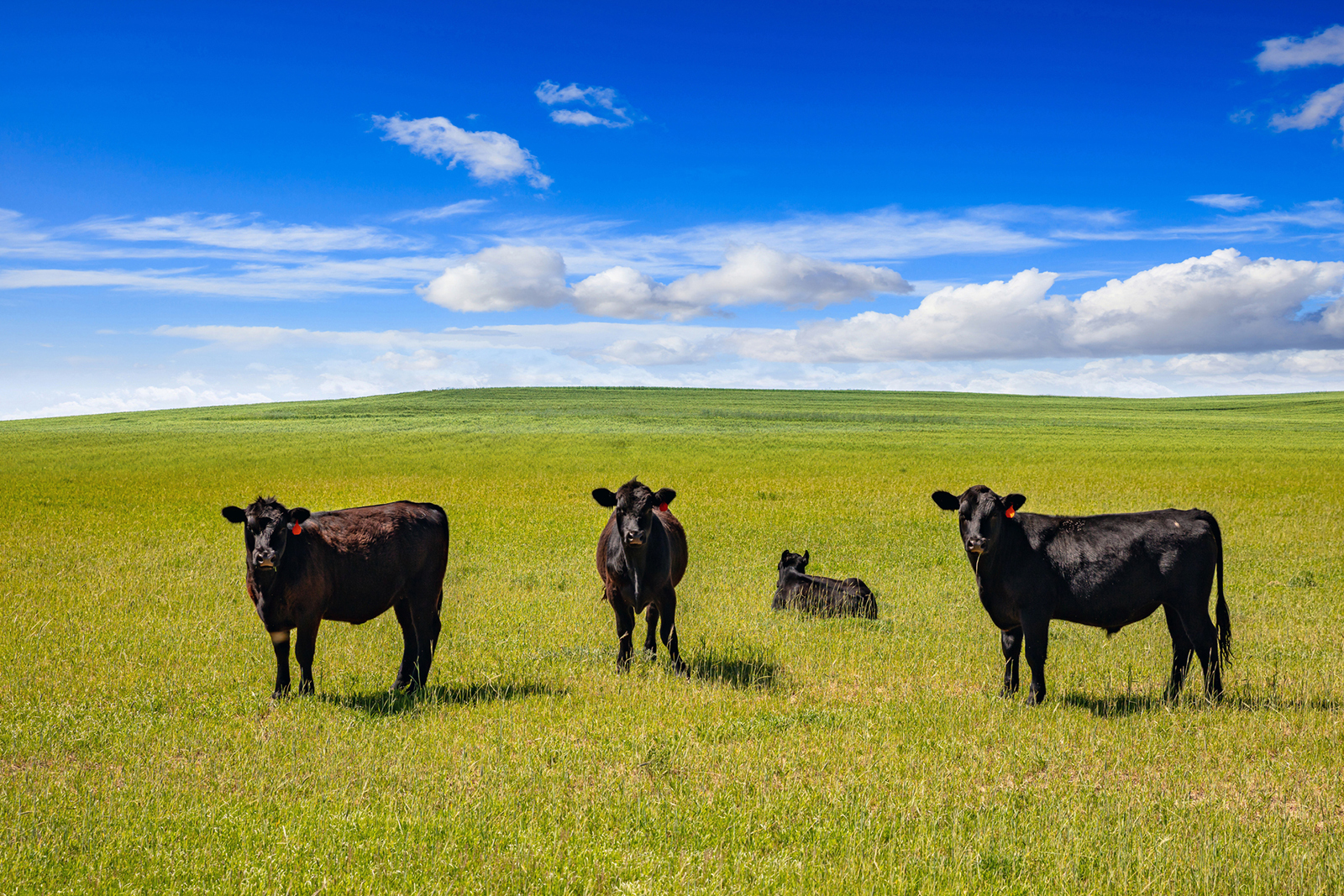
Cattle grazing land in the Brazos Valley can qualify for agricultural appraisal if it meets county use standards.
To get the most out of your investment in rural land in the Brazos Valley, you’ll need to take advantage of agri exemptions in Texas you can qualify for. While the state sets the broad framework for these tax perks, it’s the county appraisal districts that handle the day-to-day work of reviewing applicants.
Not all tracts of land will qualify, so it’s helpful to know the following.
1. “Agri/ag exemption” usually means a special appraisal, not a full tax break
In Texas, most people use agri or ag exemption as shorthand for a special agricultural appraisal. Qualifying land is taxed on its productivity value instead of its full market value.
That can make a noticeable difference in annual carrying costs, especially on larger tracts.
For buyers, the key point is that this status is not automatic and does not necessarily transfer in practice just because a property has rural acreage or a history of agricultural use.
Eligibility depends on how the land is being used, whether that use meets local intensity standards, and whether the required history can be documented. That’s why tax assumptions should be verified early, before a buyer bases the budget on a lower projected tax bill.
2. The land in question must be primarily used for agriculture
A property does not qualify simply because it is rural, fenced, or suitable for agricultural use. To qualify, the land must be actively devoted to a bona fide agricultural use such as livestock production, hay, crops, or another qualifying operation recognized by the county appraisal district.
You have to prove consistent, primary agricultural use that meets local standards, not occasional activity or a loosely rural appearance.
3. Acreage matters, but there is not one universal number
There is no single statewide minimum acreage that fits every property. In Brazos County, the numbers vary by use, for instance:
- Hay production typically starts at 8 acres
- Cropland at 15 acres
- Beekeeping at 5 acres with 6 hives
- Grazing land usually needs at least 15 acres
In addition, the county also looks at livestock intensity (whether there are enough animals on the land for it to count as actual agricultural use). That’s why a hay tract, cattle operation, and beekeeping setup may be judged by different standards. The acreage has to match the actual agricultural use on the land.
4. History of use matters too
The land usually needs a documented history of agricultural use, generally for five of the preceding seven years. So even if a tract looks the part today, that does not automatically mean it qualifies. The county will also look at how the land has actually been used over time and whether that history can be verified.
5. Applications go through the county appraisal district
To apply, the landowner files the appropriate agricultural appraisal form with the county appraisal district, not with the Texas Comptroller. The Comptroller provides the statewide forms and rules, but the local appraisal district is the office that reviews the application, checks whether the land meets local intensity standards, and decides whether the claimed use qualifies.
The district may also ask for supporting information such as lease details, livestock counts, production records, or other documentation showing how the property is being used. In most cases, the application is due by April 30, so buyers and new landowners should not wait until tax season is already underway to start asking questions.
6. Qualifying use needs to be documented
The appraisal district may require records showing how the land is actually being used. Depending on the operation, that could include lease agreements, livestock numbers, acreage in production, crop or hay details, or other supporting information.
For buyers, this matters because a property’s tax status should not be taken at face value. Make it a point to ask early what records exist and whether the current use can be clearly documented.
7. Check the county’s exact requirements
In the Brazos Valley, exact requirements can differ from one county to the next. Brazos County, for example, excludes a one-acre homesite from minimum-acreage calculations and sets specific expectations for uses such as hay production and grazing. Buyers should check the rules for the exact county where the land is located rather than assume the same standards apply across the region.
8. Changing the land use can trigger rollback taxes
In Texas, most agricultural appraisal is granted under 1-d-1 open-space appraisal, which taxes qualifying land based on its agricultural productivity rather than full market value. If that land is later converted to a nonagricultural use, the owner can owe a rollback tax.
For 1-d-1 land, that rollback is generally based on the difference between the taxes paid under agricultural appraisal and the taxes that would have been due at market value for the three years preceding the change in use.
For buyers, future plans matter. Developing part of the tract or changing how the land is used can trigger that added tax.
Get clear guidance on rural property in the Brazos Valley
Berkshire Hathaway HomeServices Caliber Realty offers the local insight and steady guidance buyers need when comparing farms, ranches, and acreage in the Brazos Valley.
Whether you’re buying, selling, or weighing your options, our team is here to help you move forward with more clarity and less stress.
Call us at 979.694.8844 or send an email to get your free real estate consultation.